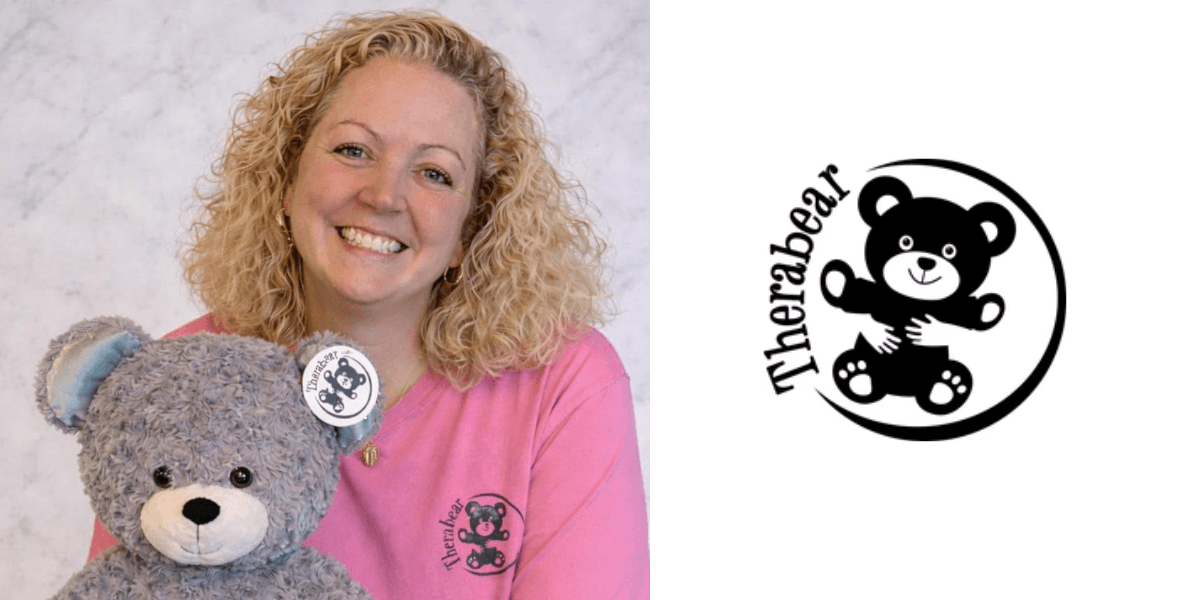
Developed by clinical psychologist Dr. Julie Pelletier, Therabear has been recognized with the Parents’ Choice Award for Emotional Support Products for Children, highlighting its innovative approach to supporting children’s emotional regulation and mental well-being.
A Clinically Informed Innovation for Emotional Wellness
Therabear was born from more than two decades of clinical experience working with children and adolescents in some of the most emotionally complex environments—hospitals, shelters, detention centers, and therapeutic programs.
For Dr. Julie Pelletier, the insight behind the product was simple but profound: children often need more than words to regulate overwhelming emotions—they need something they can hold, trust, and return to in moments of distress.
Unlike traditional plush toys, Therabear was intentionally designed as a therapeutic companion that bridges emotional comfort with structured regulation tools. At its center is a removable “therapeutic heart,” which offers guided calming prompts and positive reinforcement exercises when activated, helping children practice grounding techniques when emotions feel too big to manage alone.
The design also incorporates multi-textured sensory materials and a lightly weighted core. This creates a gentle, grounding pressure when placed on a child’s lap or chest—an approach widely used in sensory-based therapeutic care to support emotional regulation and nervous system calming.
Designed for the Real World, Not Just the Therapy Room
Therabear was never meant to stay within clinical spaces. It was built for the environments where children actually live their lives—homes, classrooms, pediatric clinics, and therapy offices.
In these everyday settings, emotional moments don’t follow a schedule. A difficult morning before school, sensory overwhelm in a classroom, or anxiety during a medical visit can all create moments where regulation support is needed instantly.
To extend that accessibility, a smaller “Travel Buddy” version was introduced. Lightweight and portable, it attaches easily to backpacks or personal belongings, allowing children to carry emotional support with them throughout their day.
Each version is intentionally adaptable, giving children the ability to engage with different sensory features based on their individual emotional needs and comfort levels.
From Clinical Insight to Everyday Impact
Through Only Goodness, LLC, Dr. Pelletier continues to translate clinical knowledge into practical, accessible tools for families navigating emotional development. The initiative has also been recognized in media outlets such as Female Entrepreneurs Magazine, highlighting its intersection of innovation, entrepreneurship, and wellness.
At its core, Therabear is not just a product—it is an early intervention tool. It helps children develop foundational emotional skills such as recognizing feelings, pausing before reacting, and practicing self-soothing strategies. Over time, these small moments of regulation can translate into greater resilience, improved focus, and healthier interpersonal relationships.
Alongside the product, Dr. Pelletier shares educational resources for parents and caregivers, emphasizing emotional awareness, gratitude practices, and positive reinforcement as part of everyday parenting.
Award Recognition
The Parents’ Choice Award for Emotional Support Products for Children recognition highlights Therabear’s innovative approach to combining clinical psychology principles with accessible, child-friendly design, supporting emotional development through guided sensory and cognitive tools.
Looking ahead, Therabear is expected to expand into companion learning materials, therapeutic books, and additional sensory tools designed to support emotional development both at home and in educational environments.
The long-term mission of Only Goodness, LLC remains focused on one central goal: making emotional support tools more accessible during the earliest and most formative stages of a child’s development—when regulation skills are still being shaped and can have the greatest long-term impact.